
OnePress
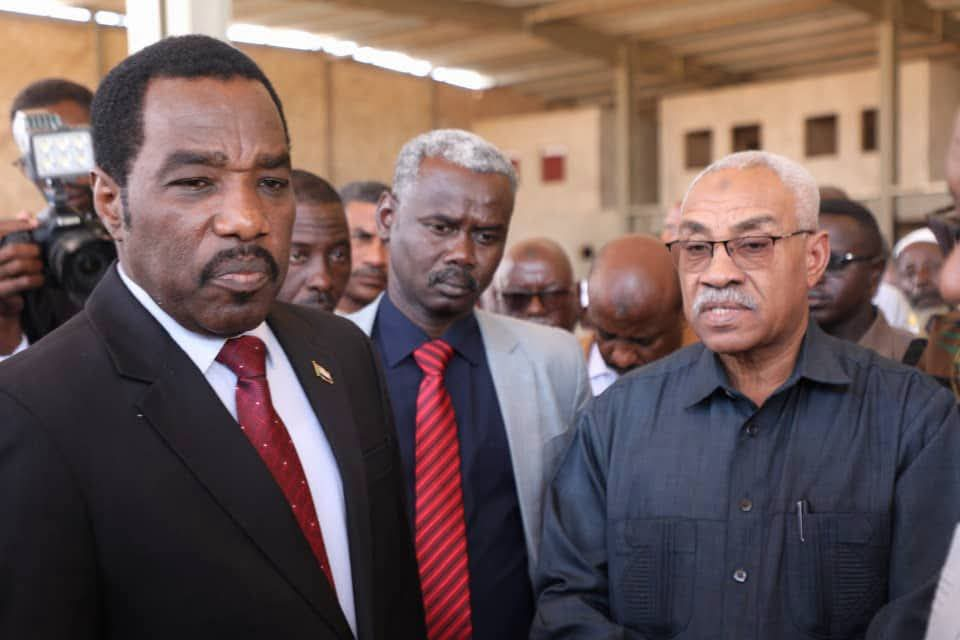
The Minister of Human Resources and Social Welfare, Mr. Moatasim Ahmed Saleh, and the Commissioner of the Commission for Social Security, Solidarity and Poverty Reduction, Dr. Mohamed Ali Salem, launched the direct cash support program in the city of El Obeid, as part of efforts to expand the social protection umbrella and reduce the burden of living for poor families and the most vulnerable groups.
The Commissioner of Social Security said that about 180,000 families in North Kordofan state are benefiting from the program, pointing out to work to increase the number of beneficiaries and expand support to include widows, orphans and people with disabilities.
The Commissioner stressed the importance of coordination with the Zakat Office, health insurance and the relevant authorities to integrate social protection programs and reduce poverty, pointing to the need to move from providing relief assistance to supporting income-generating projects, in order to contribute to the economic empowerment of families and help them out of poverty.
He pointed to UNHCR's efforts in implementing the school meal program in Darfur and Kordofan states, noting that North Kordofan hosts more than 1.5 million expatriates, distributed over eight camps, including the unified camp in the land port.
For his part, the Minister of Human Resources and Social Welfare stressed the importance of strengthening social welfare programs and integrating efforts between the federal government and the state government to meet the needs of poor families and displaced and wounded operations, as well as paying attention to the most vulnerable groups.
The Governor of North Kordofan, Professor Abdul Khaliq Abdul Latif, welcomed the visit, reviewing the state's efforts in caring for the families of the martyrs and the wounded, and supporting the education, health and shelter sectors.
The governor revealed the experience of the Zakat Bureau in implementing the second dignity, at a cost of LE 80 billion, targeting 28 thousand families, in the framework of interventions aimed at providing support to eligible groups.
The launch of the program came as part of a visit that included inspecting the centers of prosthetic devices and camps for the displaced and wounded of operations, as well as Al-Amal Hospital and Al-Bayda Teaching Hospital.