
Long – OnePress
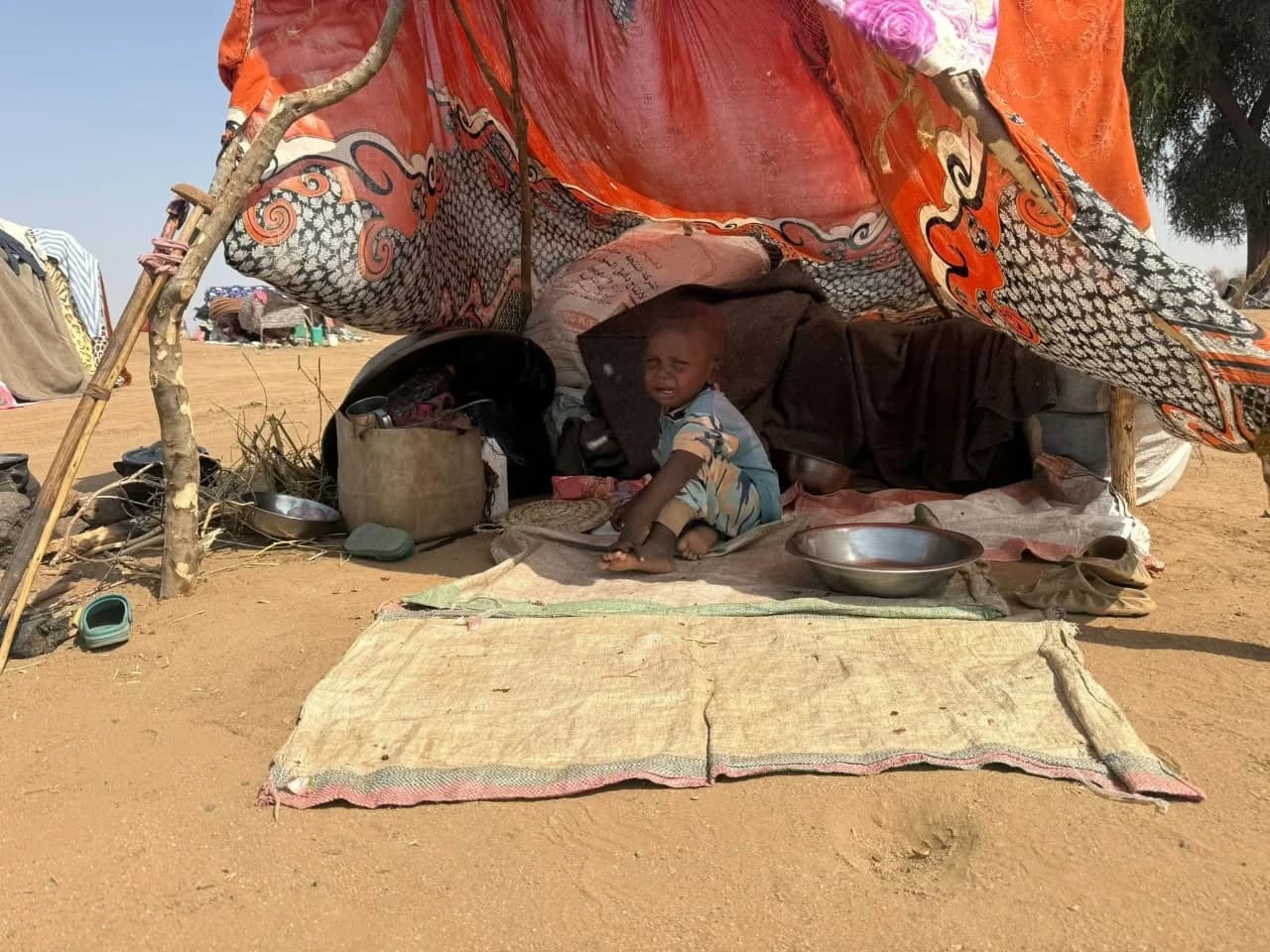
The General Coordination of IDP and Refugee Camps announced the arrival of 2,199 people belonging to 557 displaced families to Tawila area in North Darfur from 4 to 12 October, warning of the worsening humanitarian crisis in light of the acute shortage of food, health services and clean water.
The official spokesman for the coordination, Adam Men, said that the total number of new arrivals to Tawila has increased to 8,390 people, representing 1,726 families, from the beginning of September to 12 October 2026, pointing out that the displaced people came from different areas in North Darfur, including Dar al-Salaam, Tarra, Dar al-Samiyat and other areas.
Children face alarming health and nutrition conditions, including wasting and underweight associated with malnutrition, as a result of food shortages and a lack of humanitarian assistance, at a time of increasing pressure on health services, water sources and environmental sanitation facilities.
The statement pointed to reports of the spread of dengue, malaria, typhoid and acute diarrhea, warning of the worsening health risks, especially among children, women and the elderly, in light of overpopulation and limited basic services.
The statement attributed the waves of displacement to a number of factors, notably drought, lack of rain and the failure of the agricultural season, as well as deteriorating living conditions, food insecurity, high commodity prices, as well as security concerns that threaten the safety of civilians and their livelihoods.
The Coordinator called on United Nations agencies, international and national humanitarian organizations and relevant stakeholders to intensify their field presence in Tawilla and expand relief and health interventions, while ensuring urgent and regular access, commensurate with the increasing scale of needs.
It called for providing food, nutritional assistance and necessary treatments for malnourished children, supporting health facilities with medicines, medical supplies and staff, as well as providing safe drinking water and adequate shelter and strengthening protection services and psychosocial support for displaced people.
The Coordinator stressed that the response should not be limited to emergency interventions, stressing the importance of stopping the war, protecting civilians, ensuring unhindered humanitarian access, and addressing the reasons that cause people to leave their areas.
It warned that the continued influx of displaced people without a humanitarian response commensurate with the scale of needs could lead to further food and health deterioration, compounding the risks facing the most vulnerable.