
▁Khartoum 2019 OnePress
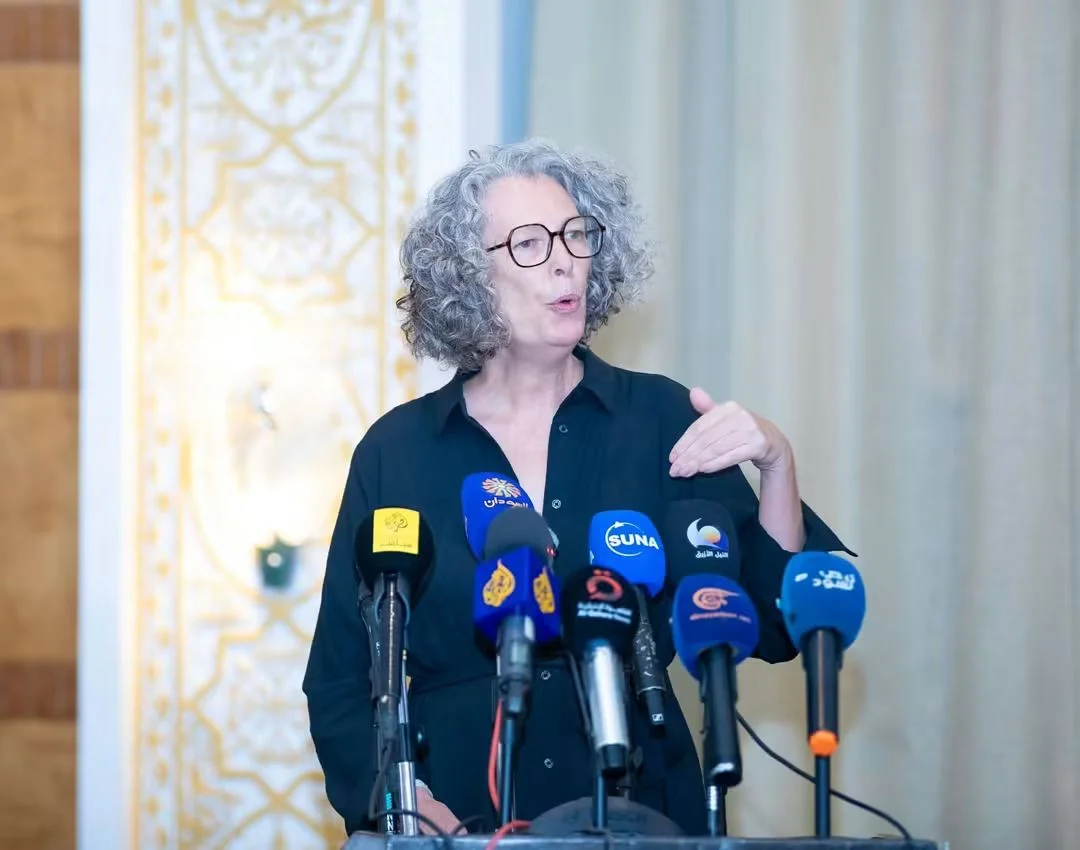
The United Nations Resident Coordinator and Humanitarian Coordinator for Sudan, Denis Brown, called for a transition from short-term humanitarian aid dependency to long-term investment, stressing that the private sector is a key driver of stability and sustainable development in the country.
Brown said during the launch of the dialogue on the recovery of the private sector in Sudan organized by the Ministry of Finance in cooperation with the United Nations Development Programme (UNDP) today in Khartoum, that the future of Sudan should not remain dependent on relief assistance, noting that the United Nations system looks forward to a stage where Sudan dispenses humanitarian assistance and the private sector leads the engine of economic growth.
$1.9 billion in aid
Funding for the humanitarian response in Sudan reached $1.9 billion in 2025, while it has reached about $1.2 billion in 2026.
While these amounts do not cover actual needs, they have had a significant impact on local markets through cash transfers and local purchases, but this impact ends once funding is stopped, necessitating long-term strategic investments.
Brown said that the Sudanese people are not looking for free aid, but for job opportunities, pointing to Sudan's natural resources and young workforce, as well as the economic and social role of Sudanese women.
Decline in agricultural production purchases
Brown highlighted the losses to the agricultural sector from the war, revealing that the World Food Programme was buying about 400,000 tons of local agricultural production before the outbreak of the war, while its purchases have now fallen to less than half that level.
She considered that the decline represents a significant loss of income for farmers, calling for providing them with the necessary funding, linking them to markets, and developing logistics and supply chains.
Increased Return to Khartoum
On the situation in the capital, Brown said that since her arrival in Khartoum, she has noticed the increasing movement of citizens and the return of increasing numbers of them to their homes and centers.
She stressed that the stability of returnees requires components beyond temporary humanitarian assistance, primarily employment opportunities, education and health services.
She called for providing a comprehensive and clear investment environment to deal with the challenges and risks, and building a partnership between the United Nations and the investment sector, which contributes to moving the Sudanese economy and supporting the path of recovery and development.