
OnePress
The United Nations said the ability of humanitarian partners to respond to growing needs in Kordofan states is facing mounting pressure, with continuing waves of displacement and large numbers of families fleeing areas of fighting to cities and shelters.
The United Nations Office for the Coordination of Humanitarian Affairs (OCHA) said growing numbers of displaced people were putting significant strain on available resources and services, as humanitarian organizations faced challenges in their ability to continue to deliver aid and respond to growing needs.
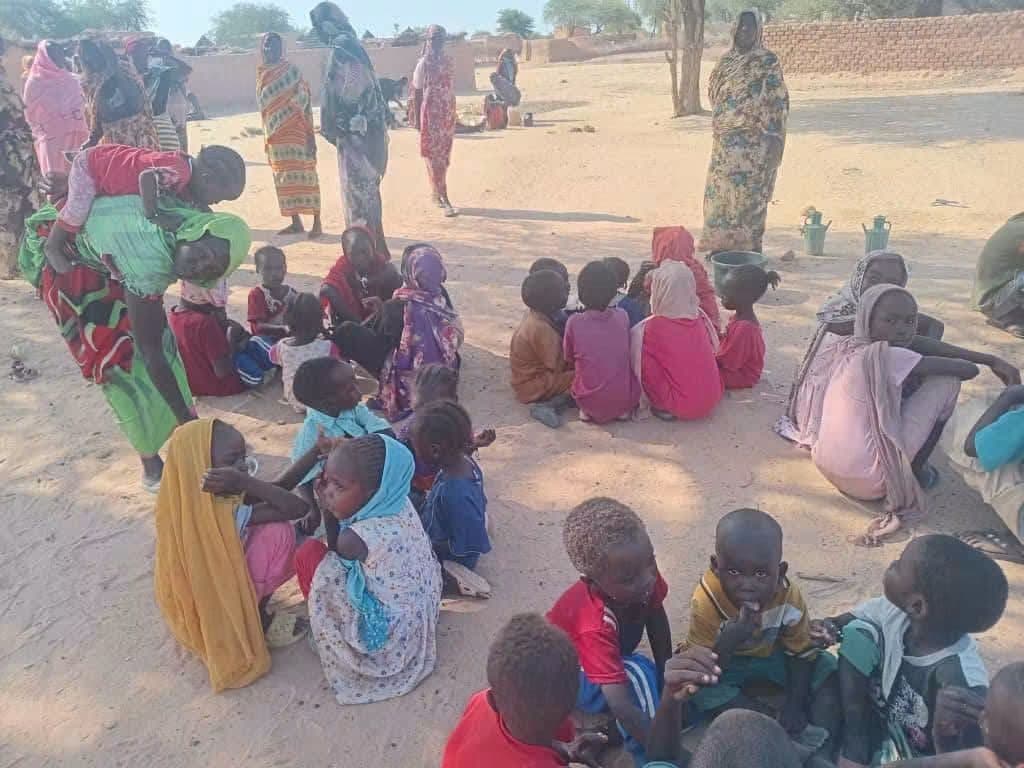
Some 9,000 displaced families in al-Bayda, the capital of North Kordofan state, have limited access to basic services, including water, food, health care and sanitation.
This comes at a time when the city of El Obeid is witnessing an increasing influx of displaced people from different areas of Kordofan states, which has increased the pressure on infrastructure, public services and shelters.
According to UN data, al-Bayda has become one of the most prominent reception centers for displaced people in North Kordofan, while a large number of them are concentrated in the camps of the land port and Khor Taqt. UN reports also warned of deteriorating water and sanitation conditions within displacement sites, with limited resources to meet the growing needs.
The crisis is intensifying as access to health services continues to decline, with pressure on medical facilities, shortages of supplies and staff, and high rates of malnutrition, especially among displaced children.
Recent reports have indicated that El Obeid Children’s Hospital has received dozens of malnourished cases, with a large proportion of cases among children coming from displacement camps, especially the land port.
Displaced families also face increasing difficulties in accessing water and food, as the cost of living rises and purchasing power declines, while a large proportion of families rely on humanitarian assistance and community-based initiatives to provide for their daily needs.
This comes at a time when humanitarian organizations have warned that continued displacement and widening needs could widen the gap between the scale of needs and the actual ability to provide aid, leaving thousands of displaced families facing more difficult humanitarian situations.
The United Nations and humanitarian partners are calling for increased funding and support for the humanitarian response in Kordofan, and to ensure that basic assistance and services reach the displaced, especially in shelters that are receiving increasing numbers of families fleeing conflict.