
Khartoum – OnePress
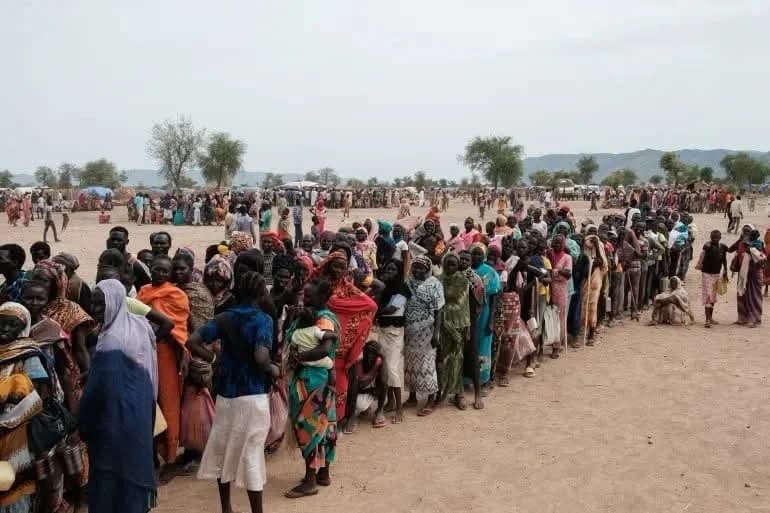
The United Nations World Food Programme (WFP) has warned that millions of Sudanese could lose access to life-saving humanitarian aid in the coming weeks, with funding for cash transfers expected to run out in August and food stocks in September unless urgent funding is made available.
In its humanitarian operations report for June, WFP said Sudan faces one of the world’s largest hunger crises, with some 33.7 million people in need of humanitarian assistance in 2026, 19.5 million of whom are severely food insecure, 825,000 children at risk of severe acute malnutrition and 3.4 million children at risk of life-threatening health hazards.
Food stocks could run out by September, while cash transfers are expected to be halted from August due to lack of funding, depriving millions of beneficiaries of basic support.
In June, WFP provided cash assistance to 1.4 million people, the highest monthly number of beneficiaries since the war began in April 2023, as well as food assistance to 3.7 million people, including 1 million people living in areas at risk of famine.
He stressed that the scarcity of resources forced him to limit aid to the most affected areas and families, pointing out that the available funding currently only allows to support about 4 million people per month, equivalent to only one out of five people in need of emergency food assistance.
WFP called for $656 million to cover its operations over the next six months, warning that a continued funding gap would undermine humanitarian gains, threaten food security and increase the risk of instability in the region.
The areas most at risk of famine include Kadugli, Dilling and areas around the western Nuba Mountains in South Kordofan, along with Ambro, Karnoi, Tine, Rif El Fasher, Mellit, Kutum and Tawila in North Darfur.
He also pointed to the continued deterioration of the security situation, especially in North Kordofan, where military operations and drone attacks around the city of El Obeid disrupted fuel, electricity and water services. The continued closure of the Yabous-Assa border crossing with Ethiopia since June 9 has disrupted trade in the Blue Nile region, rising commodity prices and declining availability, he said.
Restrictions on humanitarian access prevented the delivery of any in-kind food assistance to West Kordofan state throughout 2026, while lengthy administrative procedures slowed the implementation of food assistance programmes.