
Khartoum – OnePress
Khartoum Governor Ahmed Osman Hamza said that the damage caused to the electricity sector as a result of what he described as the “systematic destruction” of power plants and vital facilities, forcing the trend towards diversification of energy sources and reliance on sustainable alternatives, pointing out that the lack of generation was the result of targeting the electrical infrastructure.
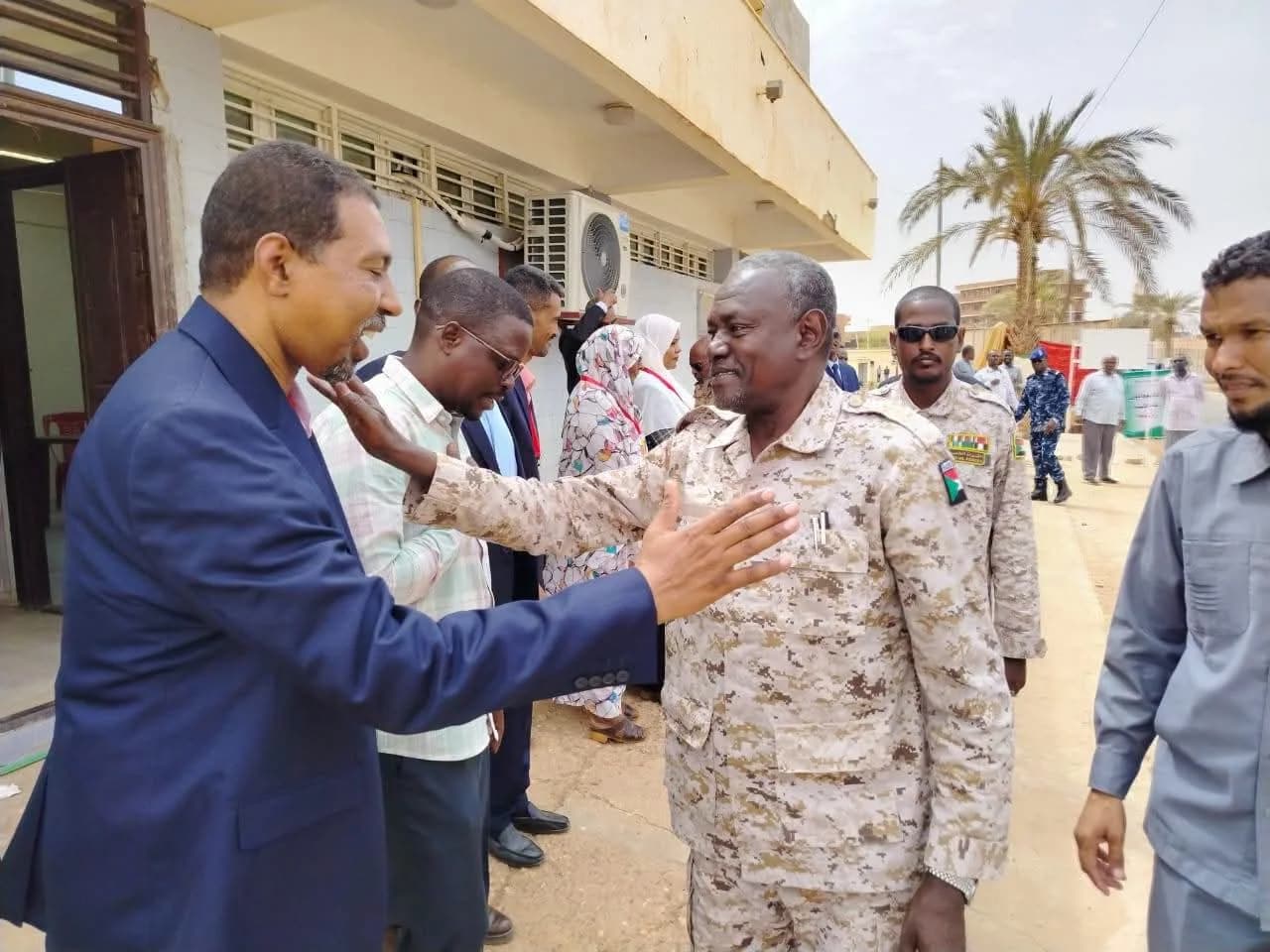
Al-Wali made the remarks while addressing the First World Conference on Renewable and Alternative Energies, which began on Tuesday at Omdurman University and will continue until July 16, with the participation of academics, researchers, experts and companies specialized in renewable energy technologies, and under the auspices of the Ministry of Higher Education and Scientific Research.
He said that the state government is continuing its efforts to rebuild the electricity sector and restart the damaged stations, stressing that the stability of the electricity supply is a key pillar to restore economic activity and support production and recovery.
Al-Wali called for the adoption of scientific solutions based on the diversification of energy sources and taking advantage of the natural potential of Sudan, especially solar and wind energy, praising the role of universities and researchers in developing practical solutions to keep pace with the global shift towards clean energy.
The Khartoum State Government fully supports the outcomes of the conference, stressing its readiness to adopt recommendations related to increasing electricity production and developing alternative and sustainable sources that contribute to enhancing the stability of the electricity supply.
He also referred to the experience of Khartoum State in producing methane from Mardam Abu Walidat, explaining that the project achieved promising results in its beginnings before it was stopped due to technical and operational challenges, expressing the hope that modern research and technologies will contribute to its reactivation and development to become a national model for the production of energy from waste.