
Libya – OnePress
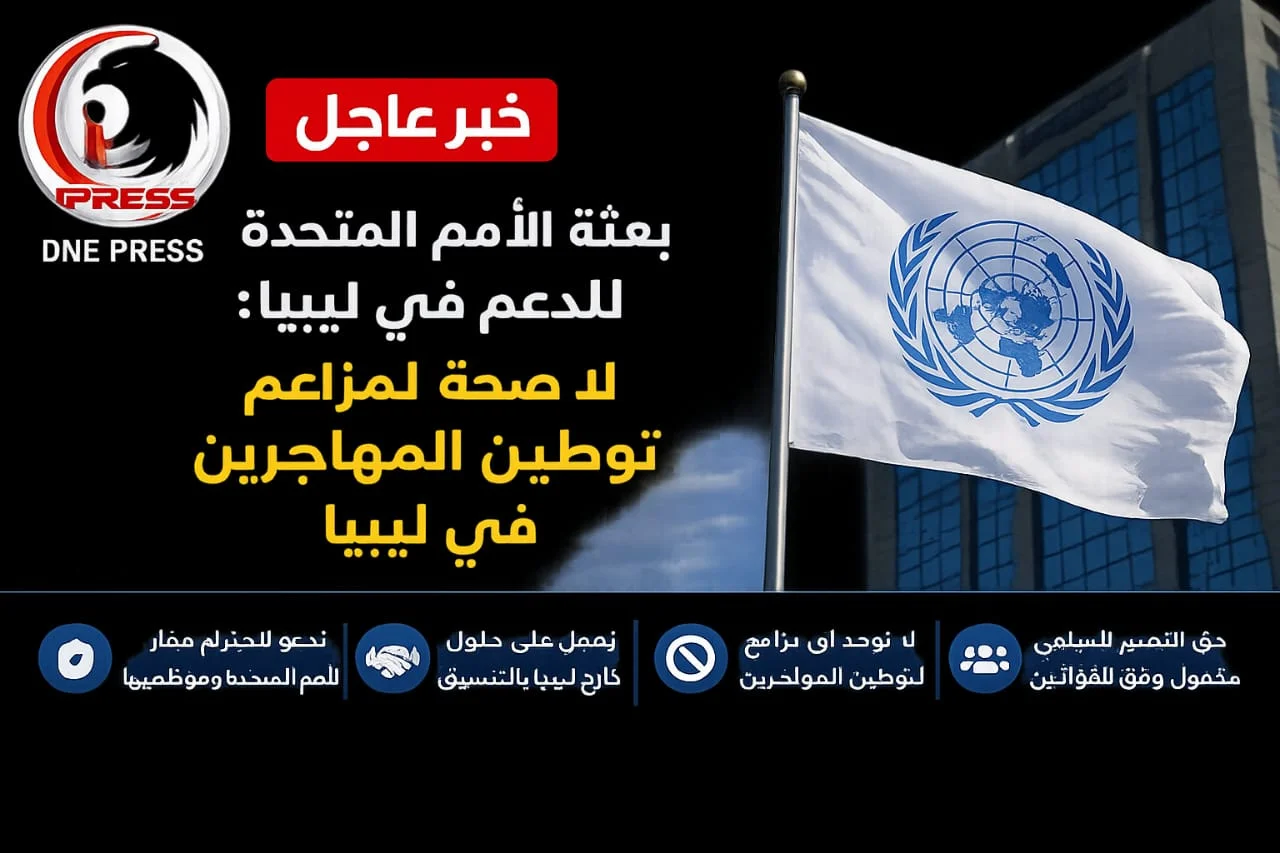
The United Nations Support Mission in Libya (UNSMIL) has denied allegations of the implementation of programmes to resettle migrants within Libyan territory, stressing that all allegations to this effect are “completely false”.
UNSMIL said in a statement issued after demonstrations in front of its headquarters and the headquarters of the United Nations High Commissioner for Refugees (UNHCR) in Tripoli that it is following with interest the concerns expressed by Libyan citizens, stressing the right of everyone to receive accurate information and express their views by peaceful means guaranteed by national and international laws.
The United Nations expressed concern at what it described as the spread of misinformation and hate speech linked to its work in Libya, noting that this contributed to increased tensions and incitement against Libyan and international UN staff.
UN agencies working in Libya, including UNHCR, are not implementing any programmes to resettle migrants within the country, the mission said, adding that their work is limited to finding humanitarian solutions for people fleeing war, conflict and persecution, in coordination with the Libyan authorities and the international community and in respect of the sovereignty of the Libyan state.
These solutions include humanitarian evacuation to third countries, or facilitating voluntary return to countries of origin when circumstances permit.
The mission also strongly condemned any incitement to violence or threats against UN personnel, premises and property, stressing that acts of vandalism and intimidation cannot be justified in any way and are incompatible with Libyan values and traditions.
The United Nations called on all parties to respect the inviolability of their premises, personnel and property in accordance with international law, while commending the efforts of the competent authorities in Tripoli to maintain public order and ensure the safety of demonstrators and United Nations personnel and facilities.
The statement comes in light of the escalating debate within Libya on the file of irregular migration, and the accompanying accusations and information on the role of international organizations in managing this file.