
Khartoum – OnePress
The Sudanese Ministry of Finance has announced that it will continue to implement a plan for the full digital transformation of the tax system, as part of government efforts to increase public revenues and expand the tax umbrella through the introduction of more taxpayers, including the informal sector.
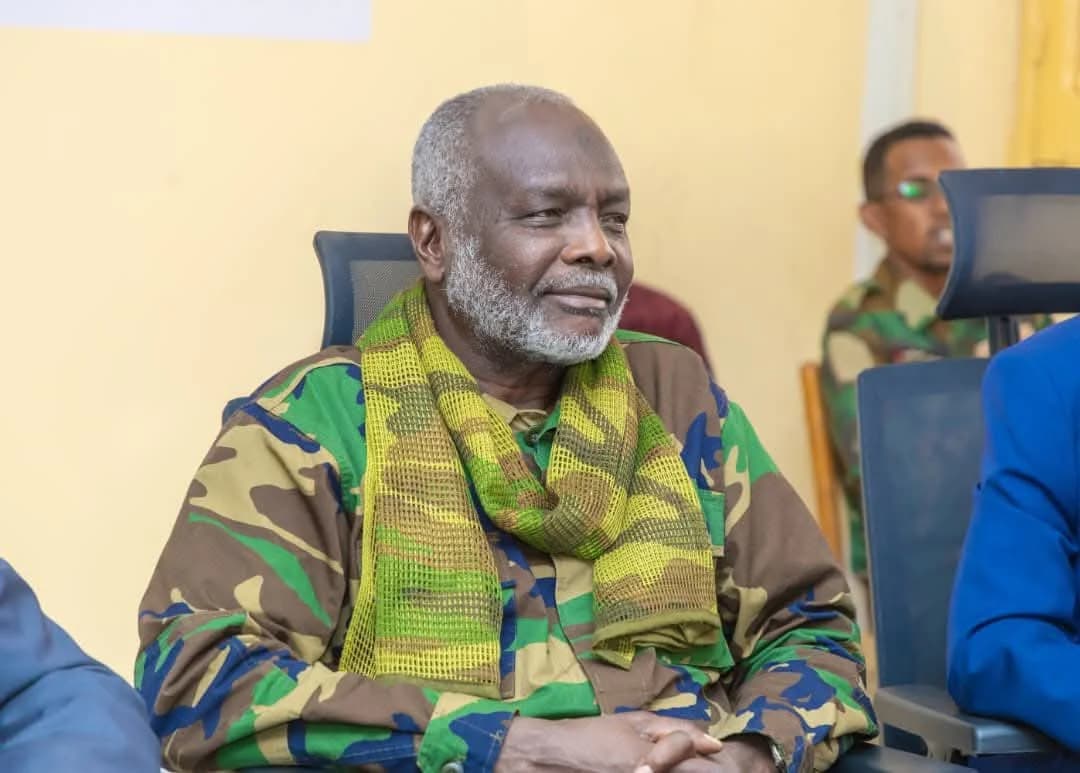
The Minister of Finance and Economic Planning, Jibril Ibrahim, said that digital transformation is a “top priority” to reform and develop the performance of the Tax Bureau, stressing that the government seeks to modernize the technical infrastructure and enhance the efficiency of collection without imposing additional burdens on citizens.
During a visit to the headquarters of the Tax Bureau in Khartoum, the minister added that the ministry is working on providing modern technologies, specialized training and attracting competencies to support the digitization project, considering that investment in digital transformation will achieve direct returns on the economy and tax administration.
Ibrahim called for accelerating the completion of the digital transformation of the tax system, allowing easier payments to financiers and enhancing tax coverage, as well as the integration of informal economic activities into the formal tax system.
For his part, the Secretary-General of the Tax Bureau, Bader Al-Tamm Mohammed Saad, announced the start of the actual application of the electronic invoice system since the beginning of May, pointing out that the new system aims to raise the level of transparency and reduce disputes between tax authorities and financiers.
He explained that the Ministry of Finance and the Tax Bureau have set a timetable to complete the comprehensive computing project by the end of 2026, expecting the number of users of the electronic billing system to reach about 2,000 financiers during the next phase.
He pointed out that the performance of the SAI during the first four months of this year has achieved positive results, as the authorities continue their efforts to reform the financial system and strengthen domestic resources in light of the economic challenges facing the country.