
The Lord – OnePress
The government of the White Nile State in Sudan, with a federal delegation from the Dams Implementation Unit, discussed arrangements for the implementation of a Saudi-funded project to drill groundwater wells, as part of a program aimed at establishing 500 wells in a number of the country's states to improve drinking water supplies.
The White Nile state was allocated 14 underground wells as part of the project, which also includes the construction of solar energy systems, water tanks and supporting operational structures in the targeted areas, authorities said.
The joint meeting, which was held in Rabk, discussed challenges associated with the implementation of the project, including high drilling costs and the impact of global fuel price increases on operational operations.
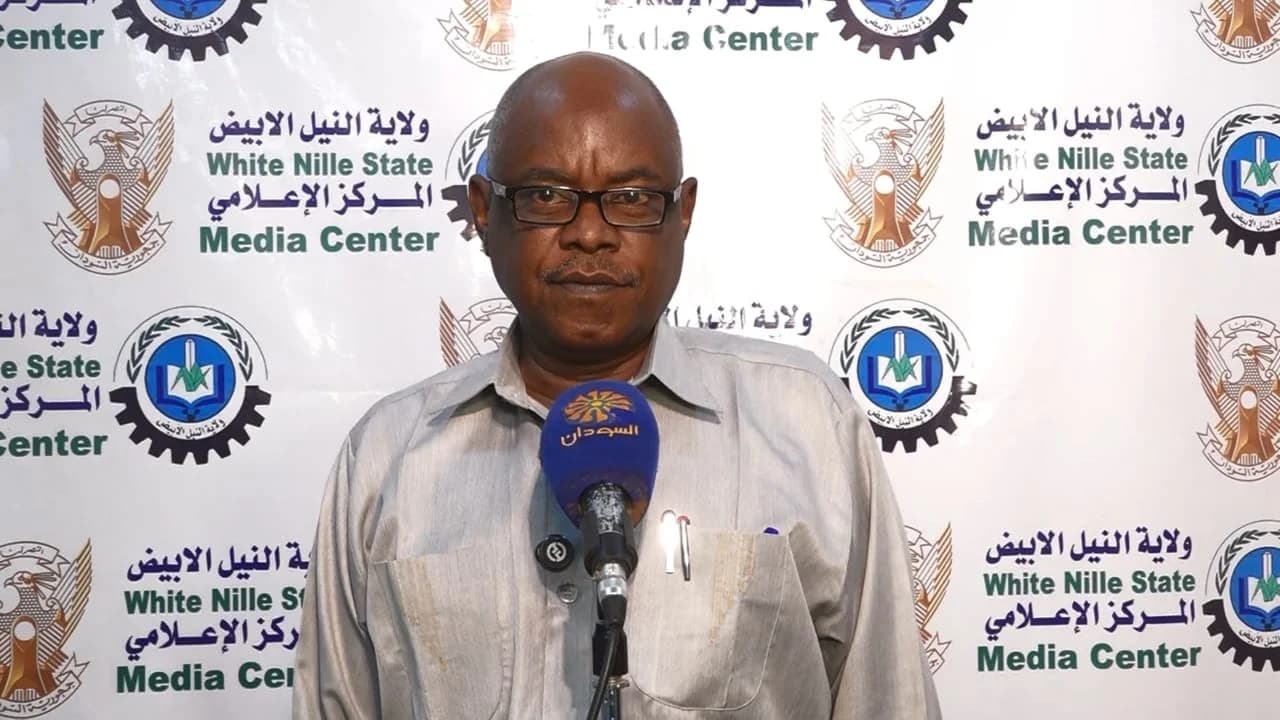
The Minister of Infrastructure and Urban Development in charge of the state, Eng. Yousef Ahmed Fadl Al-Mulla, said that the state government has pledged to overcome obstacles to the implementation of the project and create the necessary conditions for the start of work during the current year, pointing to the importance of the project in addressing the drinking water crisis in rural areas.
For his part, the Director-General of the Dams Implementation Unit at the Federal Ministry of Agriculture and Irrigation, Eng. Badraldin Mahmoud Abdullah, said that the current round of states aims to review the technical, security and economic arrangements associated with the implementation of the Saudi grant, in light of the current economic changes.
He added that the planned wells will rely on solar energy, which will contribute to the sustainability of their operation and reduce operating costs, stressing that the selected sites in White Nile State are technically ready to start implementation within a short period.
In turn, the Director of the White Nile Water Authority, Eng. Tayeb Kabbashi, announced the completion of the readiness of the sites allocated for the project, expecting the start of drilling operations in the coming days after the completion of technical and executive procedures.